


Diagnostics that predict disease before it strikes
As founder of MI:RNA, Eve spent years working with microRNAs in veterinary practice and pathology labs, where she saw a chance to turn that research into a diagnostic platform vets could use every day.

Vets often describe late-stage disease diagnosis as the biggest gap in animal healthcare.
While routine checkups can catch obvious symptoms, conditions such as heart disease, kidney disease and cancer in dogs and cats are usually only diagnosed once damage has already taken hold. For owners and vets alike, that delay can mean the difference between manageable treatment and a much harder outcome. Early, reliable diagnosis remains one of the hardest problems in veterinary medicine.
The world is currently ill-equipped to catch disease early.
Veterinary diagnostics have lagged far behind the science available to human medicine, relying on tools that were not built to detect disease at its earliest and most treatable stage.
It is against this backdrop of urgent clinical need that MI:RNA is building its pioneering, AI powered diagnostic platform.
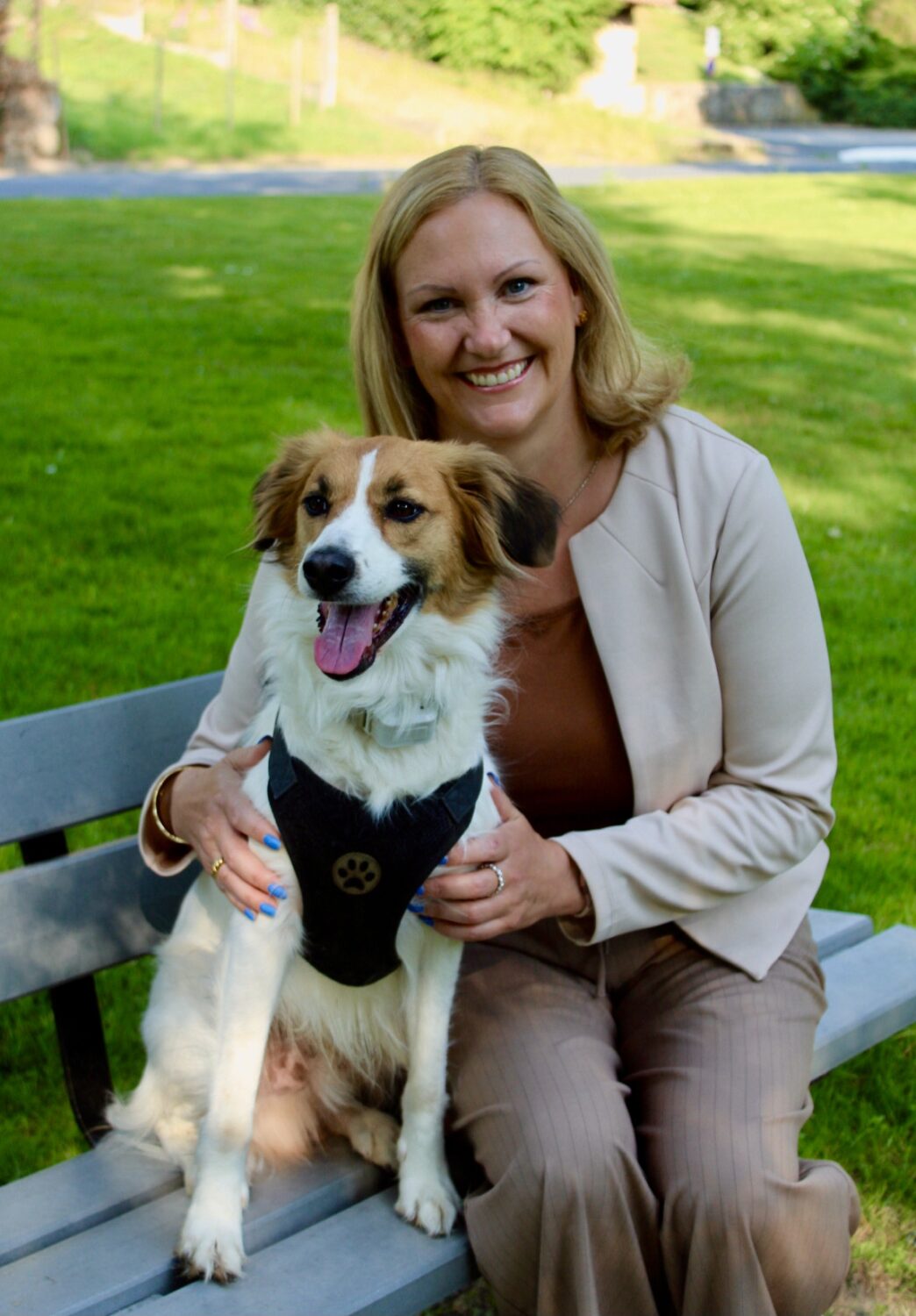
Founded out of Eve’s research at Scotland’s Rural College, MI:RNA combines the science of microRNAs, tiny fragments of RNA she calls the project managers of the RNA system, with artificial intelligence capable of reading many of them at once.
Working as founder and CEO, Eve has built the platform into a diagnostic and predictive tool now moving through beta testing with veterinary cardiologists.
Seeking the commercial expertise to match the science, Eve entered Converge as a solo founder in its early days, winning the Converge pitching award in 2020. While the network and mentoring proved invaluable, for Eve the real impact of the programme went well beyond the prize itself.
“Whether Converge was useful for building foundations, I would say yes, but more for the network than for the training. The biggest thing Converge gave me was the network: those early angels, those advisors and some insight into what other founders were doing and why.”
As a solo founder spinning out of a university that had never produced a business spin out before, the programme gave Eve something equally important: proof that what she was going through was normal.
“Having Converge helped me understand other people were doing the same thing and listen to their stories, and feel perhaps encouragement that I was doing something that was normal and not abnormal, as it can sometimes feel.”
Since Converge, MI:RNA has secured:
- Roughly $10 million raised to date through grants and investment, including support through Innovate UK and Scottish Enterprise
- A team of around 35 people working across 8 countries
- More than 100 university collaborators worldwide
- A laboratory opened in the United States, alongside a Series A round and a follow on round
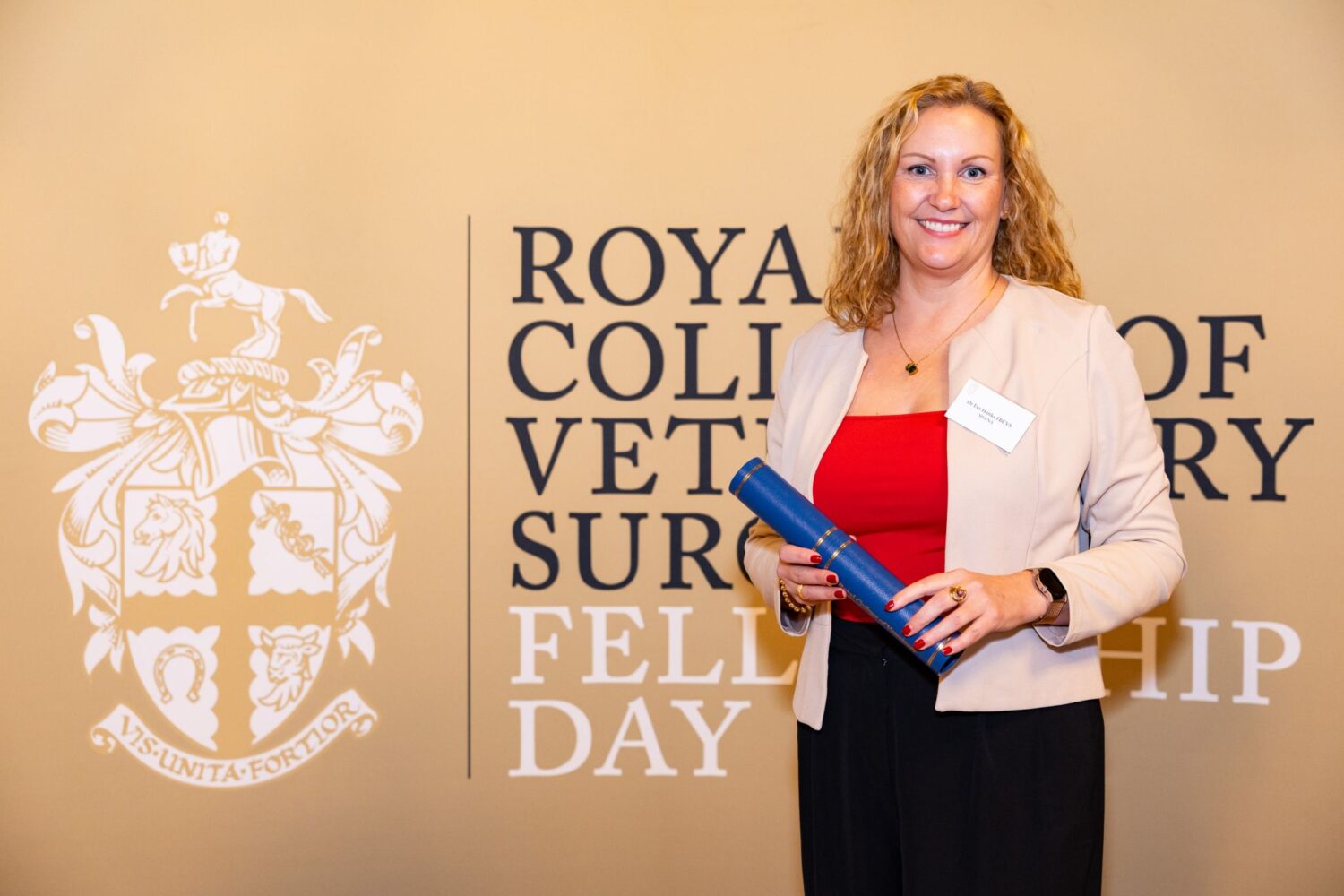
- Fellowship of the Royal College of Veterinary Surgeons and the College’s Impact Award for Eve (Photo credit: Royal College of Veterinary Surgeons)
- The Entrepreneur Award through Feather in Her Cap, the largest veterinary entrepreneurship awards
The company is currently rolling its cardiac diagnostic out to veterinary cardiologists across Germany, Austria and Switzerland, with general vets in the US gaining access over the coming months. Their roadmap for early 2027 includes wider commercial availability, starting with heart and kidney disease tests, with cancer, osteoarthritis and behavioural diagnostics following soon after.
As MI:RNA moves closer to market, its mission remains as urgent as ever.
What began as a side project inside a pathology lab has become a platform with the potential to change how animal disease is caught and treated worldwide. Eve and her team are proof that with the right network and the right support, research can become the diagnostic tools of tomorrow.